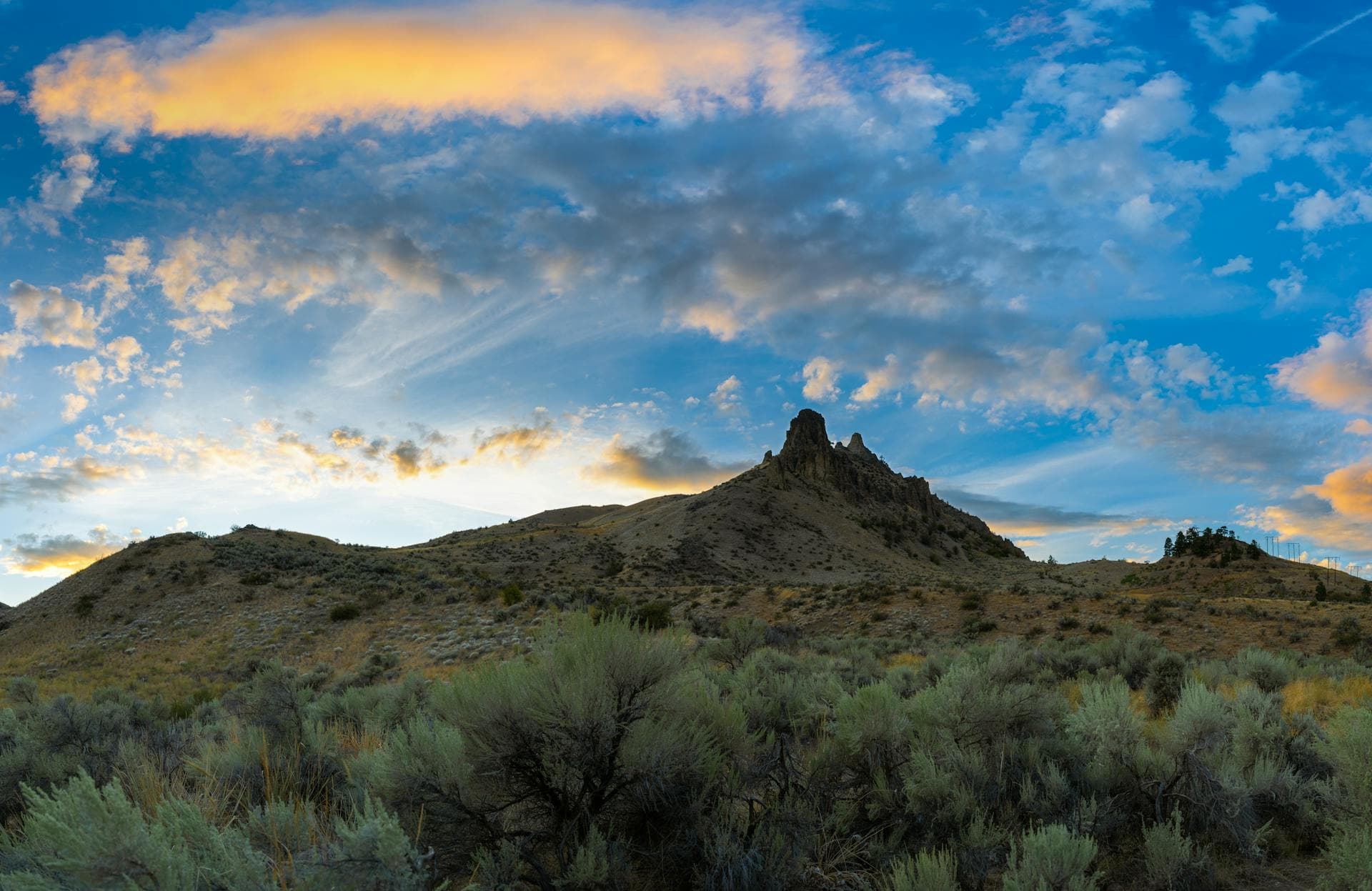
Off the Beaten Path: Why the Best Cab in America Is Growing in the Middle of the Washington Desert
I am writing this from a hotel in Richland with a glass of Red Mountain Cab next to the laptop. If you have not been paying attention to eastern Washington, you are drinking the wrong wine.
The Tri-Cities region of eastern Washington, centered around Red Mountain AVA and the Columbia Valley, produces some of the best Cabernet Sauvignon in America at a fraction of Napa prices. The arid high-desert climate, basalt soils, and long hours of summer sunlight create concentrated, structured wines. Kiona, Hedges, Col Solare, and Upchurch are producers worth knowing. Off-the-beaten-path regions like this one are where value lives.
The drive in
I flew into Pasco on Monday. The plane banks over a stretch of brown earth that looks like nothing should be growing there, and then you see the rows. Rows of vines, thousands of them, stretched across hillsides that look more like the high desert of eastern Oregon than anything a wine map would tell you to fly to. That is the first clue that you are somewhere most people do not know about. The second clue is the rental car counter. No line.
I am not here on business. I am here because a client in Austin mentioned Red Mountain last month and I realized I had not been back in three years. When a cellar builder cannot remember the last time he visited the region that is quietly making the best Cabernet in America, something is off. So I booked a flight. Two nights in Richland. Rental car. Notebook. A cooler in the trunk for the drive home.
Why off-the-beaten-path matters
Here is the thing about wine that nobody tells you. Napa is famous because Napa is famous. The Cabernet coming out of Oakville is often brilliant, but the wines are priced on reputation first and quality second. Same with Bordeaux. Same with Barolo. By the time a region has a magazine cover and a cult following, the value has left the building.
The best wine of your life is almost never going to come from the most famous vineyard in the most famous region. It is going to come from somewhere nobody told you about. Somewhere the winemakers are still trying to prove something. Somewhere the land is cheap enough that a family can still afford to buy forty acres and plant it themselves. That is where you find the Ridge Monte Bello of tomorrow. That is where you find the wines that will cost $200 a bottle in fifteen years but are $35 right now because nobody with a press credential has driven out to see them yet.
The Tri-Cities is one of those places. And it is not going to stay that way much longer.
What the land is doing
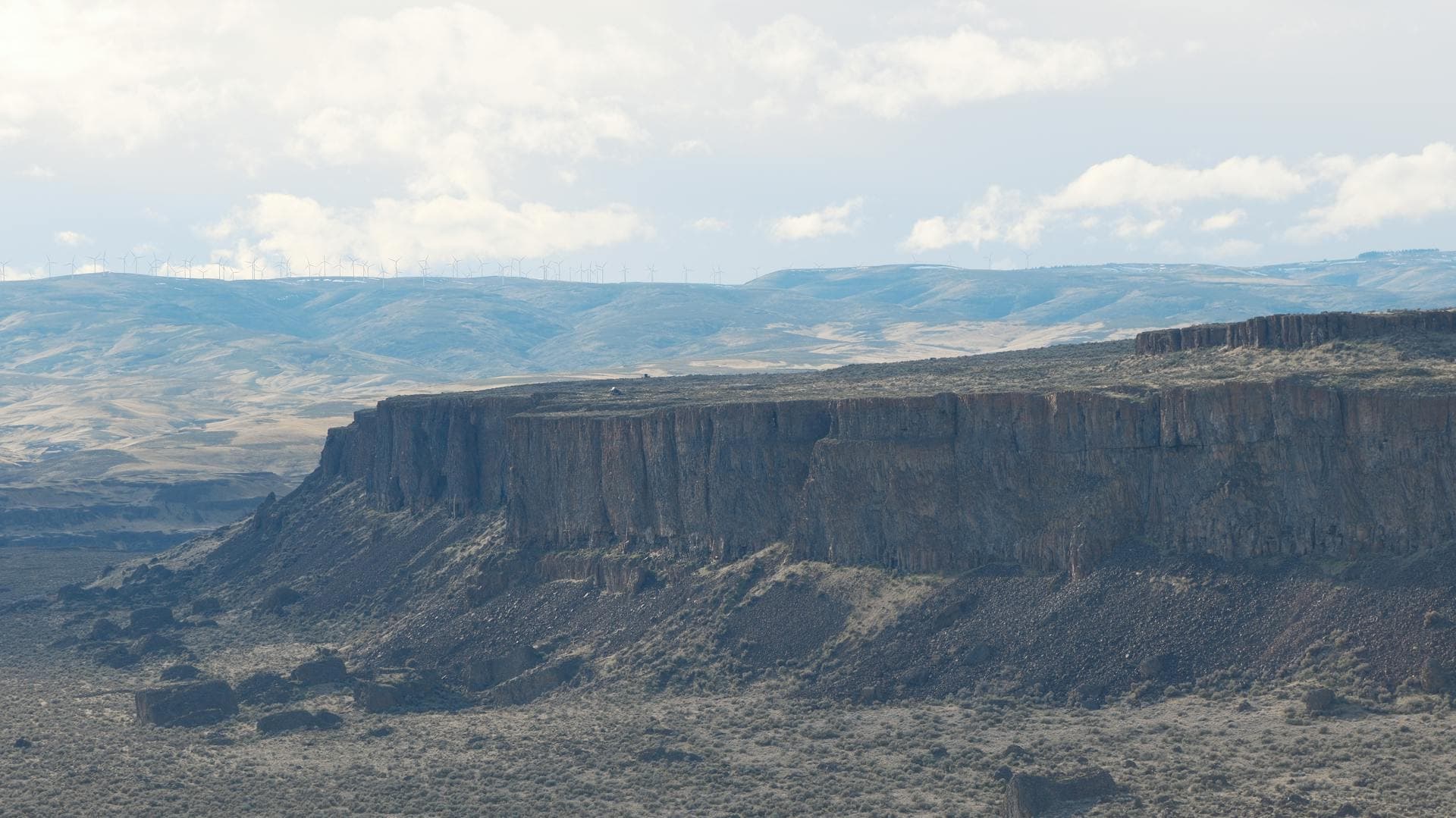
Red Mountain sits about twenty-five minutes east of Richland on a gentle southwest-facing slope. It is the smallest AVA in Washington. Just 4,040 acres. Warmer than the rest of the Columbia Valley, drier than almost anywhere else in the state, and built on sand, silt, and broken basalt. The old vines here root six feet down into rock that has been broken apart by thirty thousand years of flood and wind. The vines suffer. The grapes concentrate. The wine that comes out is dense, structured, mineral, and ages like something you would expect from the Left Bank of Bordeaux.
Eastern Washington gets about seventeen hours of sunlight in the summer. More than Napa. More than Bordeaux. The days are long and hot, the nights drop twenty or thirty degrees, and that swing is what gives these wines their acidity. Sugar builds up during the day, acid holds on through the cool nights. You get concentration without flabbiness. Structure without hollowness. It is the kind of terroir that quietly produces some of the best Cabernet grapes in the world, and Napa winemakers have been buying fruit from here for decades without telling anyone.
The producers worth knowing
Kiona Vineyards is the oldest winery on Red Mountain. The Williams family planted here in 1975 and they have been quietly running the show ever since. Their Estate Cabernet is one of the best values in American wine and the old-vine Lemberger is a conversation starter nobody outside the region has had. I drove up this morning. Their tasting room looks across the whole AVA.
Hedges Family Estate sits a few miles down the road in a stone château that looks like somebody relocated Saint-Émilion to the Washington desert. Biodynamic farming. A Bordeaux blend called CMS that sells for twenty dollars and drinks like a wine three times that price. Tom Hedges and his family have been making wine here since 1987 and if you blindfolded a Bordeaux buyer and handed them the CMS, they would guess Pauillac before they guessed Benton City.
Col Solare is the joint project between Chateau Ste. Michelle and Tuscany's Marchesi Antinori. A glass-walled tasting room on the top of the bench with a view across the whole valley. The wines are expensive by Washington standards but they are competing with Tignanello, not Washington Cab, and they hold their own.
Upchurch Vineyard is Chris Upchurch, who founded DeLille Cellars on the west side of the state and then moved out here with his wife to start something smaller and more focused. Left Bank-style Bordeaux blends from estate fruit. Precise, restrained, ageworthy. This is the guy the other winemakers on the mountain go drink with on their day off.
Fidelitas is Charlie Hoppes, one of the most respected winemakers in the state. Pure Bordeaux grapes, Red Mountain fruit, a quiet restraint that lets the terroir speak. If you want to taste what makes Red Mountain different without the bells and whistles, this is the bottle.
Barnard Griffin in Richland proper is not a Red Mountain producer but they belong on any list of Tri-Cities wineries worth visiting. Rob and Deborah Barnard have been making wine since 1983 and their Rosé of Sangiovese has won Double Gold at the San Francisco Chronicle Wine Competition four separate times. Four. For a $13 bottle.
Three I am shipping home
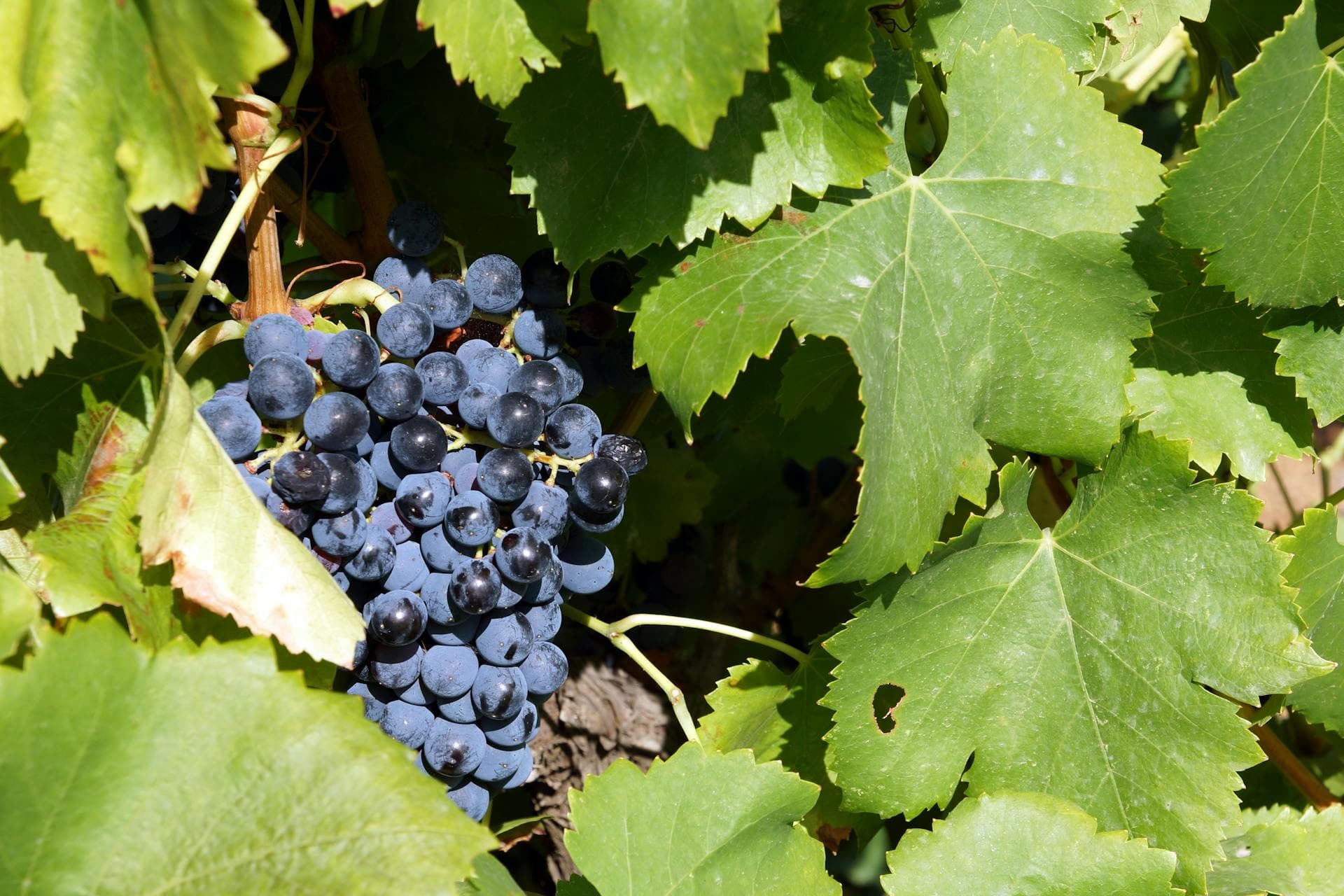
If you are going to visit, go with an empty cooler. I am shipping a case of each of these back to Austin before I leave tomorrow. Each one makes the argument for why off-the-beaten-path wine country is where value lives.
Kiona Estate Red Mountain Cabernet Sauvignon 2021. The oldest winery on the mountain, the grape it was made for, $32-38 that drinks like $80 Napa.
See Beckett's PickHedges Family Estate CMS 2021. Biodynamic Bordeaux blend from a château in the desert for twenty dollars. The gateway into Washington wine.
See Beckett's PickBarnard Griffin Rosé of Sangiovese 2024. Four-time Double Gold winner. Thirteen dollars. The most underrated rosé in America.
See Beckett's PickHow to actually do this trip
Fly into Pasco. Tri-Cities Airport. It is one runway and no crowds. Rent a car. Stay in Richland, not Kennewick. Richland is quieter and closer to Red Mountain, and The Lodge at Columbia Point is the right move if you want a view of the river and a bar with a reasonable wine list.
Red Mountain itself is compact. You can hit six wineries in an afternoon if you pace yourself. Start at Kiona and work your way down. Most tasting rooms take walk-ins but the better ones take reservations and it is worth planning. For food, Porter's Real Barbecue in Pasco is the unglamorous move that every local recommends. Budd's Broiler in Kennewick is a steakhouse with a Washington-heavy wine list that will let you taste twelve Cabs in a night without making a production of it.
Weekend days on the mountain can be busy in summer. Go midweek if you can. The wineries are smaller, the pours are bigger, and the winemakers are often the ones pouring. You can ask actual questions and get actual answers. That almost never happens in Napa anymore.
What to do when you get home
Ship it. Every winery here will ship. Most will give you a discount on the case price if you are buying six bottles or more. Do not try to pack Cabernet in your carry-on. You will either have it confiscated in security or break it in your suitcase. I have done both.
When the case lands, put it in a proper cellar. Red Mountain Cab is built to age. Ten years is not unreasonable for the estate wines. If you do not have a cellar, the tariff article I wrote yesterday had a section on why the room matters. The short version: Washington Cab will last longer than a kitchen wine rack will let it.
“The best wine of your life is almost never going to come from the most famous vineyard in the most famous region. It is going to come from somewhere nobody told you about.”
— Beckett Stone
The bigger idea
Red Mountain is not the only off-the-beaten-path region worth your attention. There are others. The Finger Lakes in New York. The Willamette has been discovered but Oregon's Rogue Valley has not. The Texas Hill Country is closer than you think. The Lodi Delta in California is the Zinfandel answer to everything the Napa floor is charging for. Priorat in Spain. The Swartland in South Africa. Patagonia in Argentina.
What they have in common is that they are not famous yet. The price still reflects the wine, not the reputation. The winemakers are still trying to prove something. That is where you find value. That is where you find stories. And that is where, if you are building a cellar that is going to hold bottles for ten or fifteen years, you should be buying right now.
I am driving home tomorrow with a full cooler. If you ask me in ten years what the smartest case of wine I ever bought was, there is a good chance it came from a hillside twenty-five minutes east of a town most people cannot find on a map.
The wines from regions like this are built to age for a decade or more. A proper cellar protects that investment. If you are ready to build a room that lets these bottles become what they were meant to be, we should talk.
Book Consultation