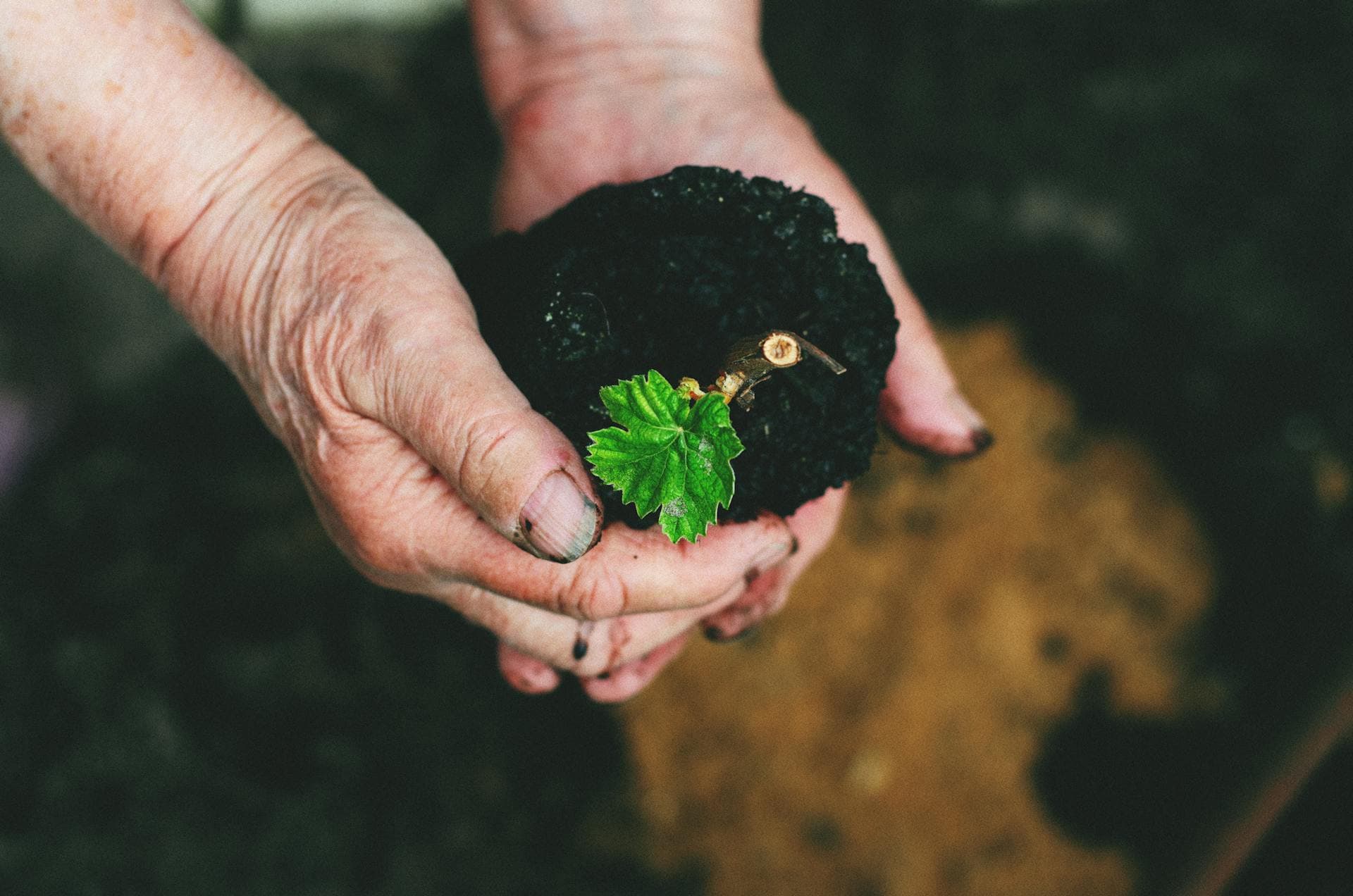
Biodynamic Wine Is Mostly Marketing. Except When It Is Not.
Most biodynamic labels are selling you a story. A handful of them are selling you better wine. Here is how to tell the difference, and three bottles that prove the point.

Biodynamic wine combines organic farming with lunar-calendar vineyard practices developed by Rudolf Steiner in the 1920s. Most biodynamic marketing oversells the mysticism, but the underlying farming produces healthier vines, more expressive fruit, and more characterful wine. Chapoutier, Frog's Leap, and Emiliana are three Demeter-certified or committed producers whose wines justify the practice. Taste them blind and the argument makes itself.
The thing I do not say at dinner parties
Most biodynamic wine is marketing. There. I said it. A lot of the producers slapping the word on a back label are running the same conventional operation they always ran and paying a consultant to bury a cow horn in the corner of the vineyard so they can charge an extra fifteen dollars a bottle.
But. And this matters. Some of the best wine I have ever tasted was biodynamic. The real kind. Farmed by people who believed in the work, not the label. And when you are in a finished cellar in Westlake and somebody asks why a bottle from a vineyard they cannot pronounce tastes the way it does, the answer is almost always that somebody treated the land like it was worth treating well. Earth Day is a good day to talk about which producers are actually doing that. And which three bottles I put in my own collection because of it.
What biodynamic actually means
Rudolf Steiner laid the framework in 1924. He was a philosopher, not a farmer, and a chunk of his ideas sound like they were written by somebody who was into esoteric astronomy at three in the morning. The lunar calendar. Cow horns full of compost buried at the equinoxes. Preparation 500. Preparation 501. Homeopathic dilutions sprayed on the vines on specific days of the month.
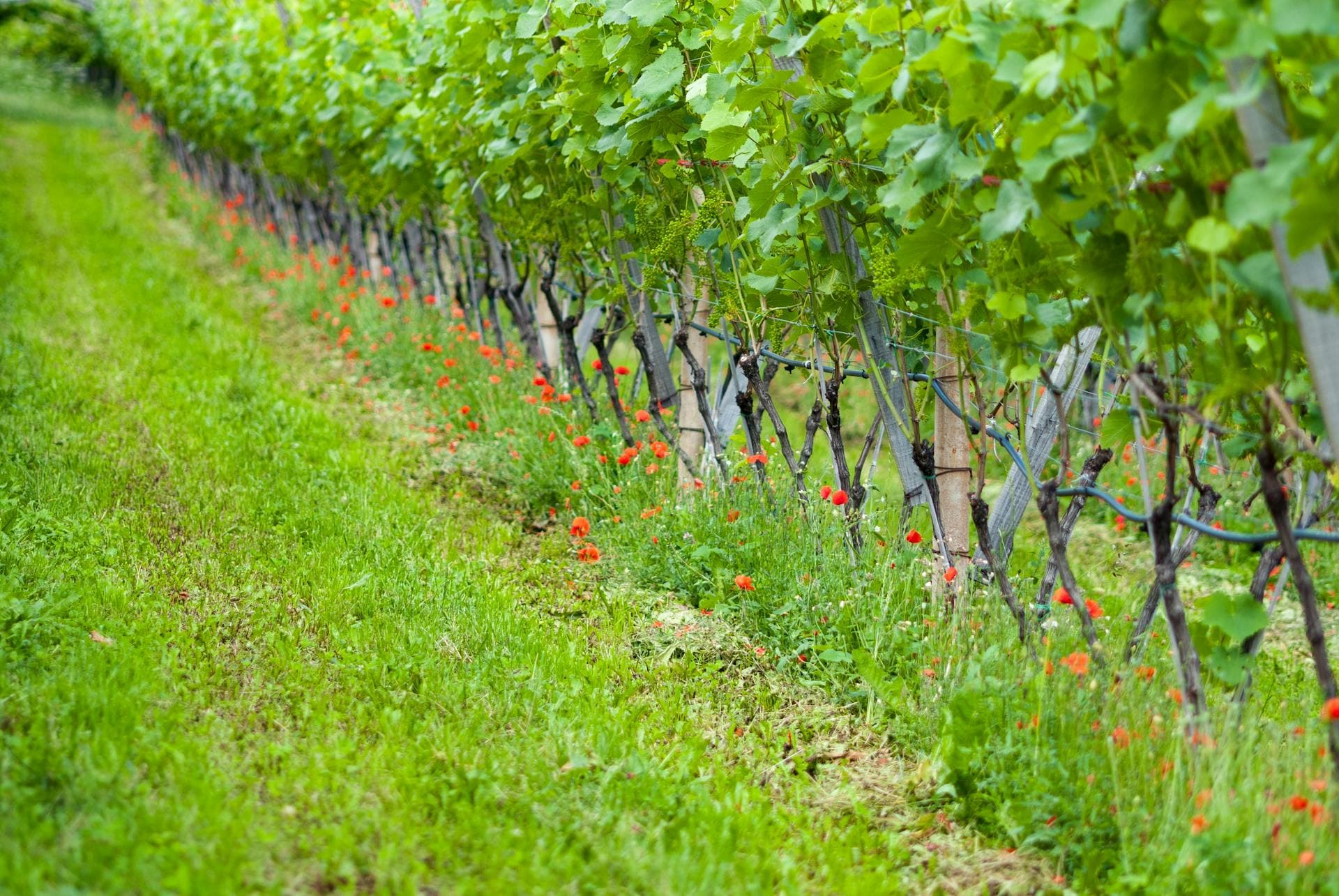
If you want to roll your eyes at the mystical stuff, I am not going to stop you. But underneath all of that is a farming practice that works. No synthetic pesticides. No herbicides. No chemical fertilizers. Cover crops growing between the rows. Sheep grazing through the vineyard in winter. Biodiversity instead of monoculture. The vineyard becomes an ecosystem instead of a factory floor. That part is not marketing. That part is just good farming, and it shows up in the glass.
The difference you can taste
A conventional vineyard in Napa is sprayed with glyphosate six times a year, irrigated every week, fertilized chemically, and otherwise treated like a crop. A biodynamic vineyard is none of those things. The vines have to work for their water. The roots go deeper. The yields are lower. The fruit is smaller and more concentrated.
You do not need to take my word for any of this. Open two bottles of wine side by side from the same region, same grape, same vintage, one conventional and one biodynamic. The biodynamic wine tastes alive. It has lift. It has savory notes the conventional wine does not have. The fruit is brighter. The finish goes longer. I have done this exercise in cellars and kitchens at least fifty times with clients who thought biodynamic was a joke. I have not had one of them still think it was a joke after the second pour.
The problem with the label
Here is where you have to be careful. The word biodynamic is not legally protected the way organic is. You can say you are biodynamic without being certified. You can do one or two of the practices and call it done. You can hire a consultant to bury a cow horn in the corner of a vineyard that is otherwise running on synthetic nitrogen and tell the marketing team to put it on the press release.
The certification that actually means something is Demeter. Demeter-certified producers go through a multi-year audit, follow the full protocol, and have to re-certify every year. If a label does not say Demeter on it, the word biodynamic is a vibe, not a practice. You can still love the wine. Just know what you are drinking.
Three producers worth the money
I picked three that span three continents and three price points. All under $40. All from producers who are either fully Demeter-certified or who have been doing the work for so long that the certification is almost beside the point. If you only try one, start with the Chapoutier.
The Rhône: Chapoutier Les Meysonniers
Michel Chapoutier runs one of the largest biodynamic estates in the world. Over two thousand acres, all Demeter-certified, farmed by the lunar calendar for thirty years. Les Meysonniers is his entry-level Crozes-Hermitage and it is the bottle I hand clients who say they want to understand what biodynamic means in a glass. Black pepper, blueberry, violets, smoked meat, the full Northern Rhône experience. Twenty-five dollars.
M. Chapoutier Crozes-Hermitage Les Meysonniers 2022 — Demeter-certified Syrah from the largest biodynamic estate in France. $22-28.
See Beckett's PickThe Napa: Frog's Leap
John Williams started Frog's Leap in 1981 and has been dry-farming organic in Rutherford ever since. No irrigation, no synthetic anything, and the kind of sense of humor that most Napa producers lost around 1988. The Zinfandel is the bottle I come back to. Bright, peppery, bone dry. Nothing like the cherry-cola Zin the rest of California is making. Proof that if you farm like John does, you can make wine that tastes like wine instead of tasting like marketing.
Frog's Leap Estate Napa Zinfandel 2022 — dry-farmed organic from Rutherford. The anti-Napa Napa wine. $32-40.
See Beckett's Pick
The Chile: Emiliana Coyam
Here is the one most people have not heard of. Emiliana in Chile's Colchagua Valley is one of the largest Demeter-certified biodynamic vineyards in the world. Coyam is their flagship blend. Syrah, Carmenère, Merlot, Cab, Petit Verdot. Dark, structured, serious, and priced like Chile is still undervalued. Because Chile is still undervalued. Not for much longer.
Emiliana Coyam 2021 — Demeter-certified biodynamic blend from Colchagua. One of the best values in biodynamic wine anywhere. $25-32.
See Beckett's PickWhat this means for your cellar
Biodynamic wines age well. Better, I would argue, than their conventional counterparts. The lower yields, deeper roots, and more concentrated fruit mean the wines have more structure and more material to develop. A Chapoutier Crozes from a good vintage will drink for a decade. A Frog's Leap Cabernet will hold for fifteen years. The Emiliana Coyam rewards five to eight years of patience and is still affordable enough to buy a case without feeling the hit.
The short version: if you are building a cellar that is going to hold wine for a while, adding biodynamic bottles is not just a values decision. It is a quality decision. The wines are better made and they get better over time. Both of those are reasons to put them in the rack.
“Most biodynamic labels are selling you a story. A handful of them are selling you better wine. The difference is whether the farmer actually believed.”
— Beckett Stone
The Earth Day part
I am not going to stand on a soapbox. But I will say this. The wine industry is one of the most quietly destructive agricultural sectors on the planet. Spray records from Napa alone would be enough to make you think twice about that next $80 bottle. Conventional French vineyards use more pesticide per acre than almost any other crop in Europe. The Rhône is worse than Bordeaux. Champagne is worse than the Rhône.
You can drink however you want. I am not here to tell you what to put in your glass. But the producers who are farming this land like they want their grandchildren to inherit it are making wines that are, measurably, better. You get to vote for that kind of farming with your wallet every time you buy a bottle. That is the entire argument. Earth Day or not.
Biodynamic wines reward a decade or more of patience in a properly built room. If your collection is starting to include the kind of bottles that should age, the cellar has to match. Let us design one that does.
Book Consultation