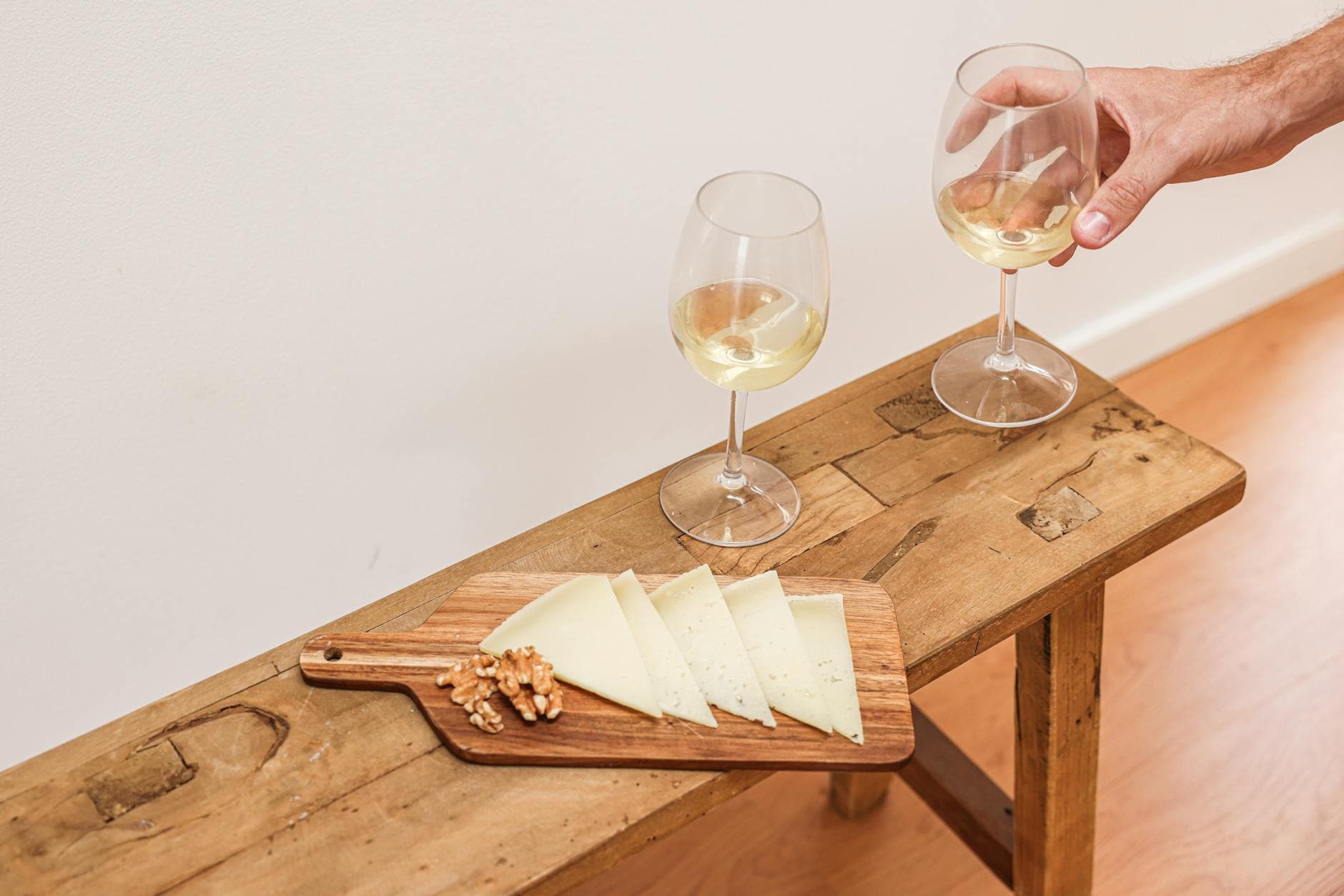
Wine and Cheese: Stop Guessing, Start Pairing
Forget the rules you half-remember. Here is the actual logic behind why some combinations work and others ruin the bottle.

Wine and cheese pair by matching weight and acidity. Light, high-acid wines (Champagne, Chablis, Riesling, Sancerre) pair with soft, creamy cheeses because the acidity cuts the fat. Bold tannic reds (Cabernet, Barolo) clash with most cheese because tannins and dairy fat create a metallic bitterness. The safest pairings: Champagne with Brie, Sancerre with goat cheese, Sauternes with blue cheese, aged Gouda with almost anything. The regional rule — drink what they drink where the cheese is made — works about 80% of the time.
Why most wine and cheese pairings fail
The default move at every dinner party is bold red wine and a cheese board. Guests pour a Napa Cabernet, carve off a piece of aged cheddar, and wonder why the wine suddenly tastes like iron and the cheese tastes like nothing. The combination works in theory — both are rich and serious — and falls apart in practice every time.
The culprit is tannins. Tannins are the drying, gripping compounds in red wine that come from grape skins, seeds, and oak. In isolation, or paired with fatty meat, tannins provide structure. Against dairy fat, they react badly — the fat coats your mouth, the tannins bond to the proteins, and the result is a metallic, astringent bitterness that does neither the wine nor the cheese any favors.
The solution is not to give up on wine and cheese. It is to pair smarter.
The logic
Match weight to weight and acid to fat. Light wines need light cheeses. Creamy, fatty cheeses need high-acid wines to cut through them. The acid in a glass of Champagne or Chablis performs the same function as a squeeze of lemon on a rich dish — it cleanses the palate and makes the next bite better.
The regional rule is the shortcut that usually holds: drink what they drink where the cheese is made. Goat cheese from the Loire Valley with Sancerre or Pouilly-Fumé — the region's white wines, both made from Sauvignon Blanc. Comté from the Jura with Jura white wine. Manchego from La Mancha with Rioja or Tempranillo. The people who made the cheese figured out what to drink with it centuries before you sat down at your cheese board.
The pairings that always work
Champagne and Brie. The acidity, the bubbles, the yeasty richness of the Champagne — Brie's buttery, slightly funky paste is designed for it. This is one of the few wine pairings that is genuinely perfect. Use a good Blanc de Blancs if you can find one. The pure Chardonnay character matches the rich fat in a way no Pinot-dominant Champagne quite replicates.
Sancerre and fresh goat cheese. Sauvignon Blanc and chèvre share the same Loire Valley soil and the same herbaceous, citrus-edged character. The wine's acidity makes the cheese taste cleaner and creamier. The cheese makes the wine taste rounder and more complex. This is what a pairing is supposed to do.
Sauternes and Roquefort. This is the counterintuitive one. A sweet, botrytized Sauternes against a pungent, salty, crumbling Roquefort. It should not work. The sweetness cuts the salt, the salt cuts the sweetness, and the resulting balance tastes like someone planned the universe specifically for this moment. If you have a half-bottle of Sauternes and a wedge of Roquefort, everything else is optional.
Aged Gouda and almost anything. Gouda that has been aged 18+ months develops caramel notes, crystalline texture, and a saltiness that is gentle enough not to fight with most wines. A medium-bodied red — Côtes du Rhône, Rioja Crianza, Oregon Pinot — works. A buttery Chardonnay works. Even a light Cab works. Aged Gouda is the least confrontational cheese on the board.
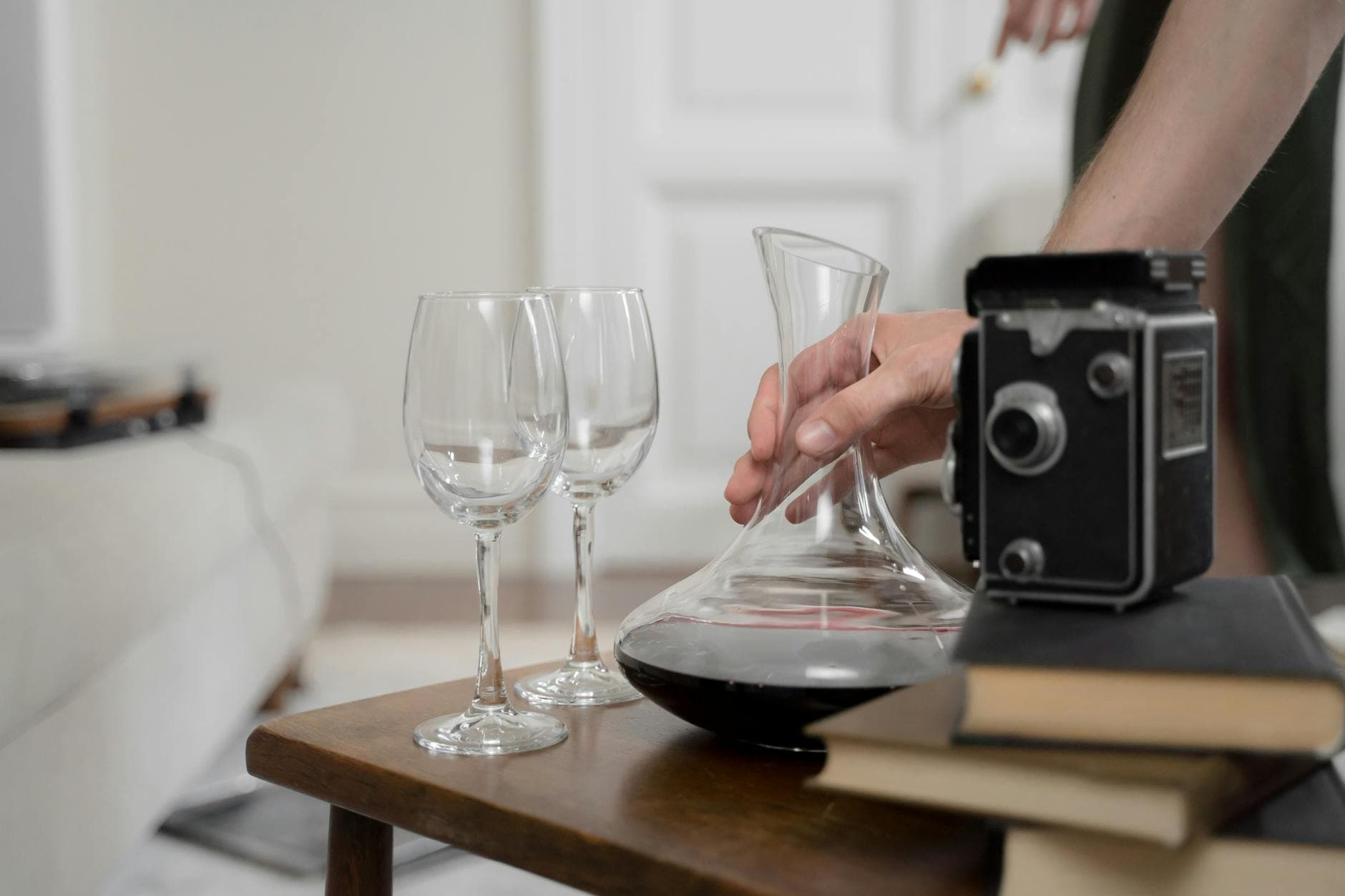
The one you should stop doing
Bold, tannic Cabernet Sauvignon with sharp cheddar. It is the most common pairing and one of the most reliably unpleasant. The tannins in a Napa Cab — which are substantial by design — meet the aged protein in cheddar and produce a bitterness that makes the wine taste cheap and the cheese taste sharp in the wrong way. If you insist on serving Cabernet with cheese, go for harder, lower-moisture options like Parmigiano-Reggiano or aged Manchego, which have less dairy fat to react with the tannins.
The actual rule
White wine with cheese more often than you think. Sparkling wine with almost everything creamy. Sweet wine with the stinky and blue. And whenever in doubt, the wine that was made in the same place as the cheese was probably intended for it. The people who built these food traditions were not guessing.
A wine room that works for hosting means the right bottle is always within reach. Bijou builds cellars that integrate into how you actually live and entertain.
Book Consultation