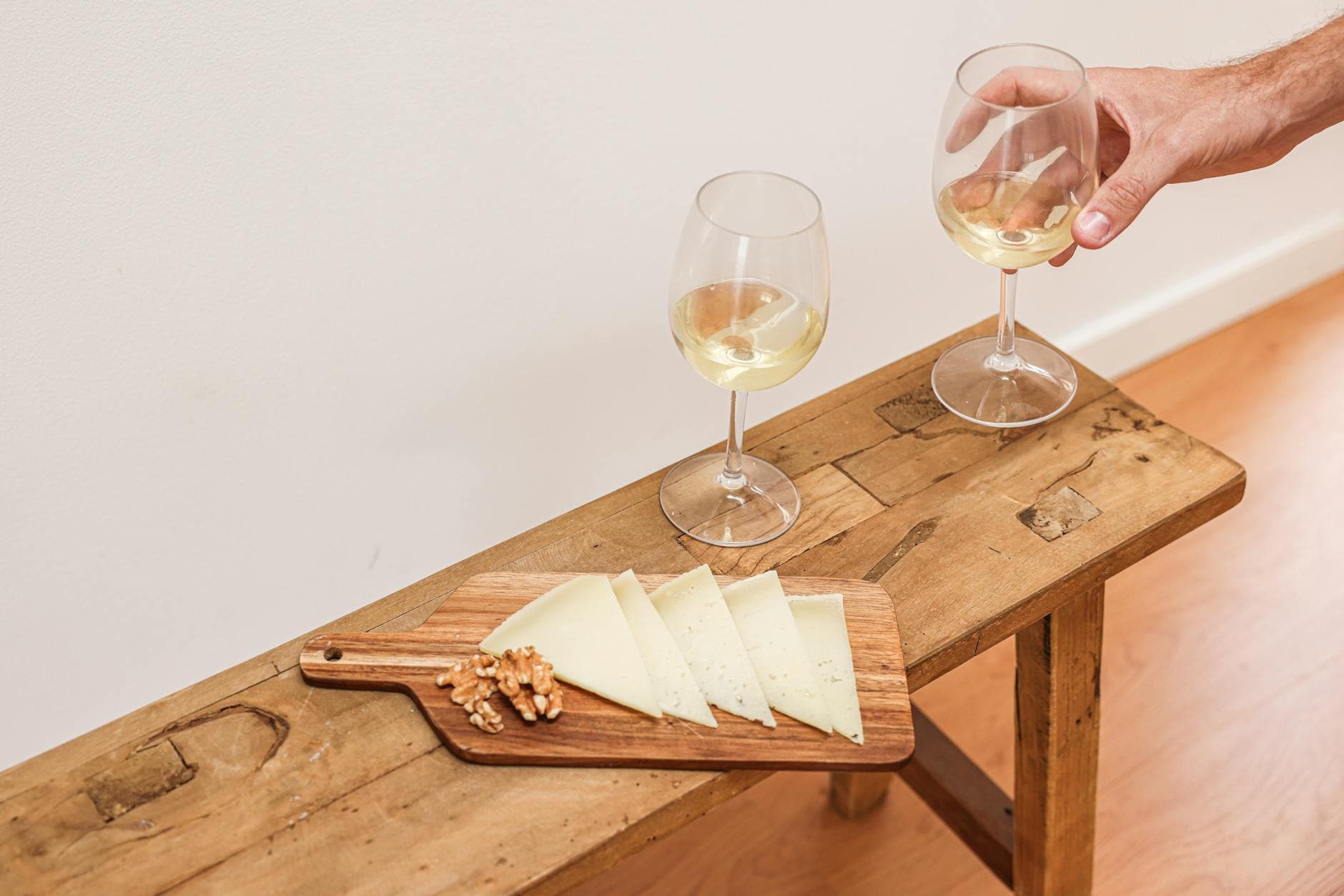
The Wine and Cheese Cheat Sheet
Forget what you think you know about red wine and cheese. The real rules are simpler, better, and mostly involve white wine.

The best wine and cheese pairings follow three principles: match intensity (bold cheese with bold wine), use acid to cut fat (high-acid whites with creamy cheeses), and lean on regional pairings (wines and cheeses from the same place almost always work). White wine pairs better with most cheeses than red — Champagne with brie, Riesling with washed-rind, Sauternes with blue cheese. Red wine works best with hard aged cheeses like cheddar, manchego, and Parmigiano.
The myth of red wine and cheese
Somewhere along the way, the world decided that red wine and cheese are a perfect match. It is on every charcuterie board Instagram post, every dinner party cliche, every gift basket that nobody asked for. And most of the time, it is wrong.
Put a tannic Cabernet next to a soft, creamy brie and what happens? The tannins clash with the fat, the wine tastes metallic, and the cheese tastes flat. Neither one is doing what it should be doing. Now pour a glass of Champagne with that same brie — the bubbles cut the cream, the acidity lifts the fat, and both taste better together than either one did alone. That is how pairing actually works.
Three rules that cover 90% of pairings
Rule one: match intensity. A delicate fresh goat cheese needs a delicate wine — Sancerre, Muscadet, Vermentino. A pungent aged cheddar needs something with backbone — Cabernet, Syrah, Barolo. If the cheese is louder than the wine or vice versa, one of them disappears.
Rule two: acid cuts fat. This is the single most useful principle in food and wine pairing and it applies to everything, not just cheese. Creamy, rich, fatty cheese needs a wine with high acidity to slice through it. Champagne and brie. Riesling and triple-cream. Chablis and Comté. The acid refreshes your palate so every bite tastes like the first one.
Rule three: what grows together goes together. This is the lazy genius shortcut that works almost every time. Manchego with Rioja. Parmigiano-Reggiano with Chianti Classico. Gruyère with Chasselas from the Swiss Alps. Roquefort with Sauternes. People in wine regions have been eating local cheese with local wine for centuries. Trust their research.
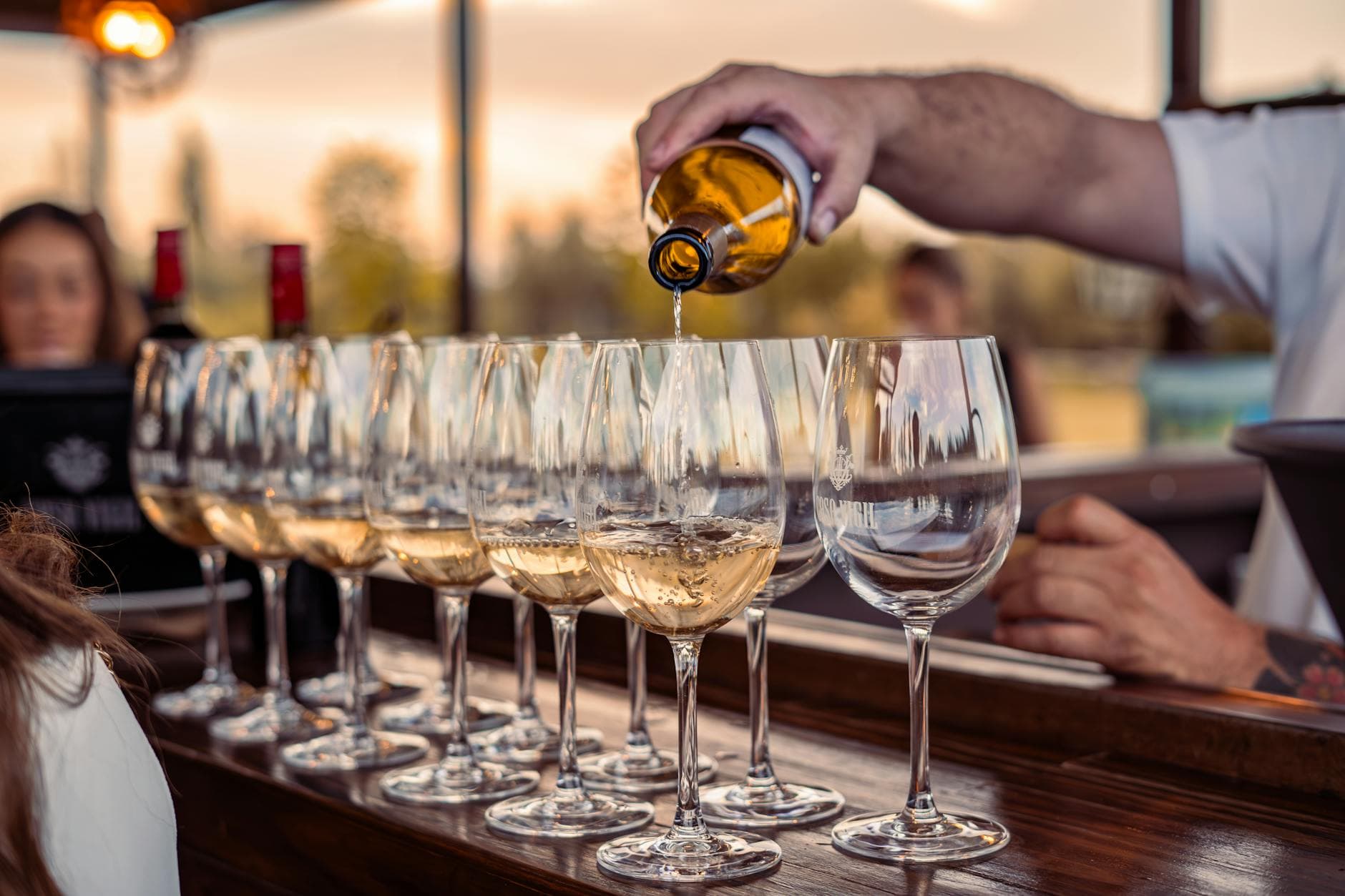
The actual cheat sheet
Fresh cheeses — goat cheese, mozzarella, burrata, ricotta — pair with crisp whites. Sauvignon Blanc, Pinot Grigio, Albariño, dry rosé. Keep it light and bright. These cheeses are delicate and anything heavy will bulldoze them.
Soft-ripened cheeses — brie, Camembert, Époisses, Brillat-Savarin — pair with Champagne, sparkling wine, or unoaked Chardonnay. The bubbles and acidity are doing the heavy lifting here. A rich Époisses with a glass of Champagne is one of the great food experiences on earth and it costs about $30 total.
Semi-hard cheeses — Comté, Gruyère, Gouda, Emmental — are the most versatile. They work with Chardonnay, Chenin Blanc, Pinot Noir, lighter Cabernets, and even off-dry Riesling. This is the cheese category where you have the most freedom to drink whatever you want.
Hard aged cheeses — Parmigiano-Reggiano, aged cheddar, Manchego, Pecorino — are where red wine finally gets its moment. Chianti Classico with Parmigiano. Rioja with Manchego. Cabernet with aged cheddar. The firm, salty, crystalline texture of an aged cheese stands up to tannins in a way that soft cheeses cannot.
Blue cheeses — Roquefort, Stilton, Gorgonzola — are the surprise pairing category. The classic move is sweet wine. Sauternes with Roquefort. Port with Stilton. The sweetness tames the salt and funk and creates something entirely new. If you have never tried Roquefort with a glass of Sauternes, stop reading and go do that. I will wait.
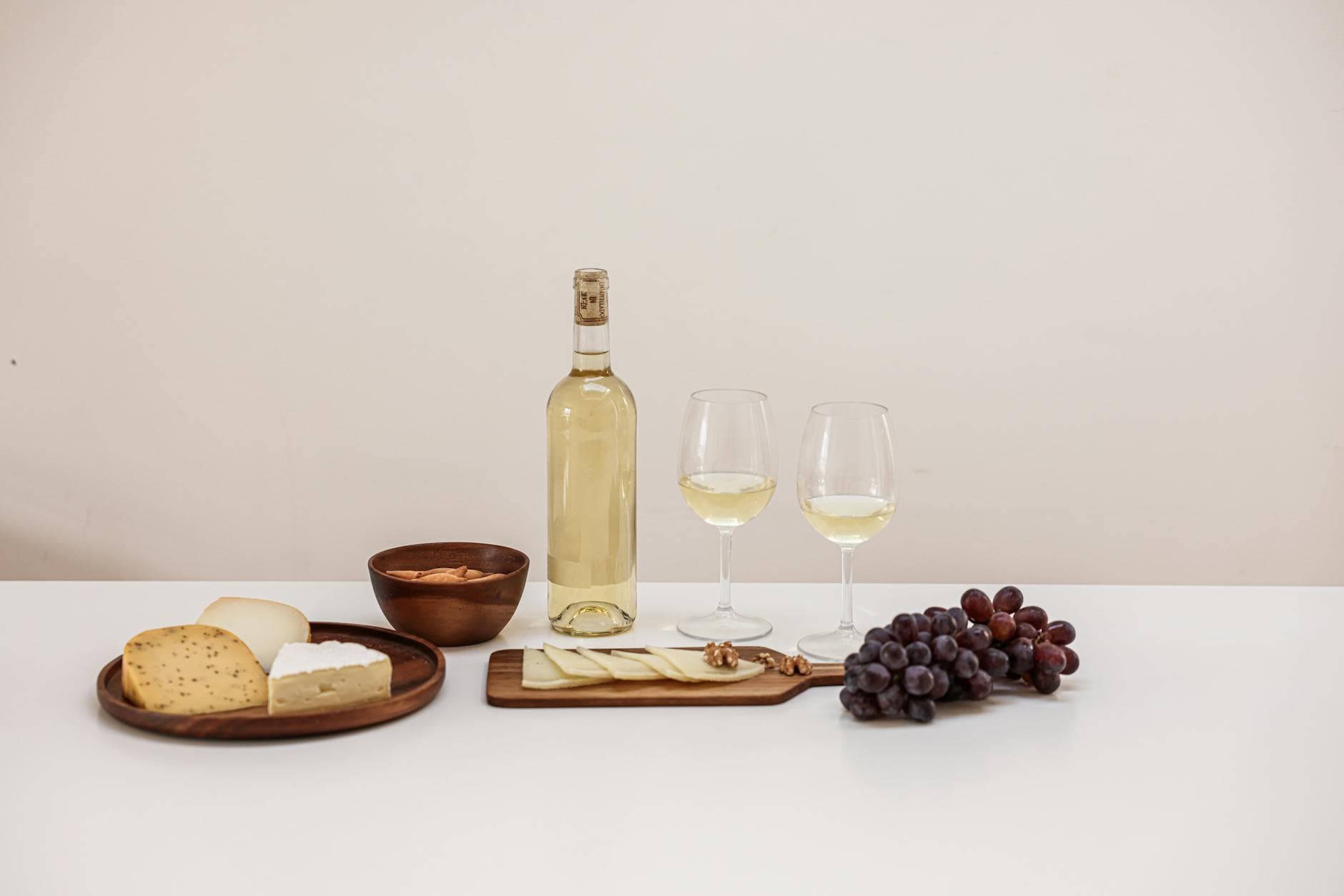
Building a board that works
If you are hosting and want a cheese board that pairs well with wine, pick three to four cheeses from different categories — one soft, one semi-hard, one hard, one blue. Add crackers, nuts, honey, dried fruit, and olives. Then open two bottles: one white with good acidity and one medium-bodied red. Champagne and Pinot Noir is the ideal two-bottle solution for a cheese board. It covers every cheese on the plate without a single bad pairing.
A wine cellar is not just storage — it is the backbone of great entertaining. The right bottles at the right temperature, ready when guests arrive.
Book Consultation