Natural Wine: Worth the Hype, or Just the Vibe?
I spent two years dismissing it. Then I tasted a few that changed my position. Here is where I actually landed.

Natural wine. Made with minimal intervention, no or low added sulfites, native yeast fermentation. Is real, and some of it is genuinely great. But the category has a quality problem: bad natural wine is defended as a feature rather than a flaw. The honest answer is that great natural wine is among the most interesting wine being made today, and bad natural wine is among the most forgettable. You have to learn the difference. That is not the industry's problem to solve. It is yours.
The honest position
I spent the better part of two years being dismissive of natural wine. The marketing irritated me. The mason jars, the intentionally ugly labels, the way some producers seemed to treat flaws as philosophy. I was wrong. Not completely, but enough that I owe the category a fairer read.
Natural wine is not a scam. It is not a fad for people who do not actually know wine. And it is not a substitute for conventionally made wine. It is a different thing entirely. At its best, a more direct expression of a place than almost anything else in a bottle. At its worst, it is something that smells like a barn and is defended as intentional.
The problem is that the category has made it almost impossible to tell the difference without opening the bottle. So let me save you some time.
What natural wine actually means
There is no legal definition of natural wine. This matters. Anyone can put 'natural' on a label and mean nothing by it. What the serious producers in the natural wine movement generally share is: organically or biodynamically farmed fruit, indigenous or native yeast fermentation instead of commercial inoculated yeast, no or very low added sulfites, minimal cellar additions, and often no fining or filtration.
The goal is a wine that tastes more like where it came from and less like what someone in a laboratory decided it should taste like. This is a legitimate and interesting pursuit. The Burgundians have been doing versions of it for centuries without calling it anything other than good farming.
Why some of it tastes like that
The thing that puts people off natural wine. The funky, the cloudy, the volatile, the faintly cidery quality. Usually comes from one of three sources. Bad farming (unhealthy fruit leads to problematic fermentation). Lack of sulfites at the wrong moment (letting oxidation or bacterial growth go unchecked). Or a producer who has confused experimentation with rigor.
Sulfur dioxide is a preservative and an antioxidant. It has been used in winemaking since the Romans. Avoiding it entirely requires flawless fruit and flawless cellar hygiene. Some producers achieve this. Many do not. The ones who do not produce wine that is genuinely flawed. Wines that are volatile, acetic, or oxidized in ways that do not improve the experience.
The frustrating thing is that these flaws are sometimes presented as features. This is intellectually dishonest and it has given the whole category a bad reputation it does not entirely deserve.
The bottles that changed my mind
What shifted my position was tasting natural wines from producers who understand that minimal intervention is a tool, not a belief system. Domaine de la Romanée-Conti does not add commercial yeast or fine or filter. Neither does Aubert de Villaine's personal domaine. Older vintages from Château Rayas are profoundly natural by any definition. These are not fringe producers. They are benchmarks.
At accessible prices, the producers worth finding are: Cornelissen on Etna, Foradori in Trentino, Bichi in Baja, Communal Brands in California, Gut Oggau in Burgenland. These producers have figured out that the point of minimal intervention is to let the place speak. When it works, you taste something that conventionally made wine cannot replicate.
What orange wine actually is
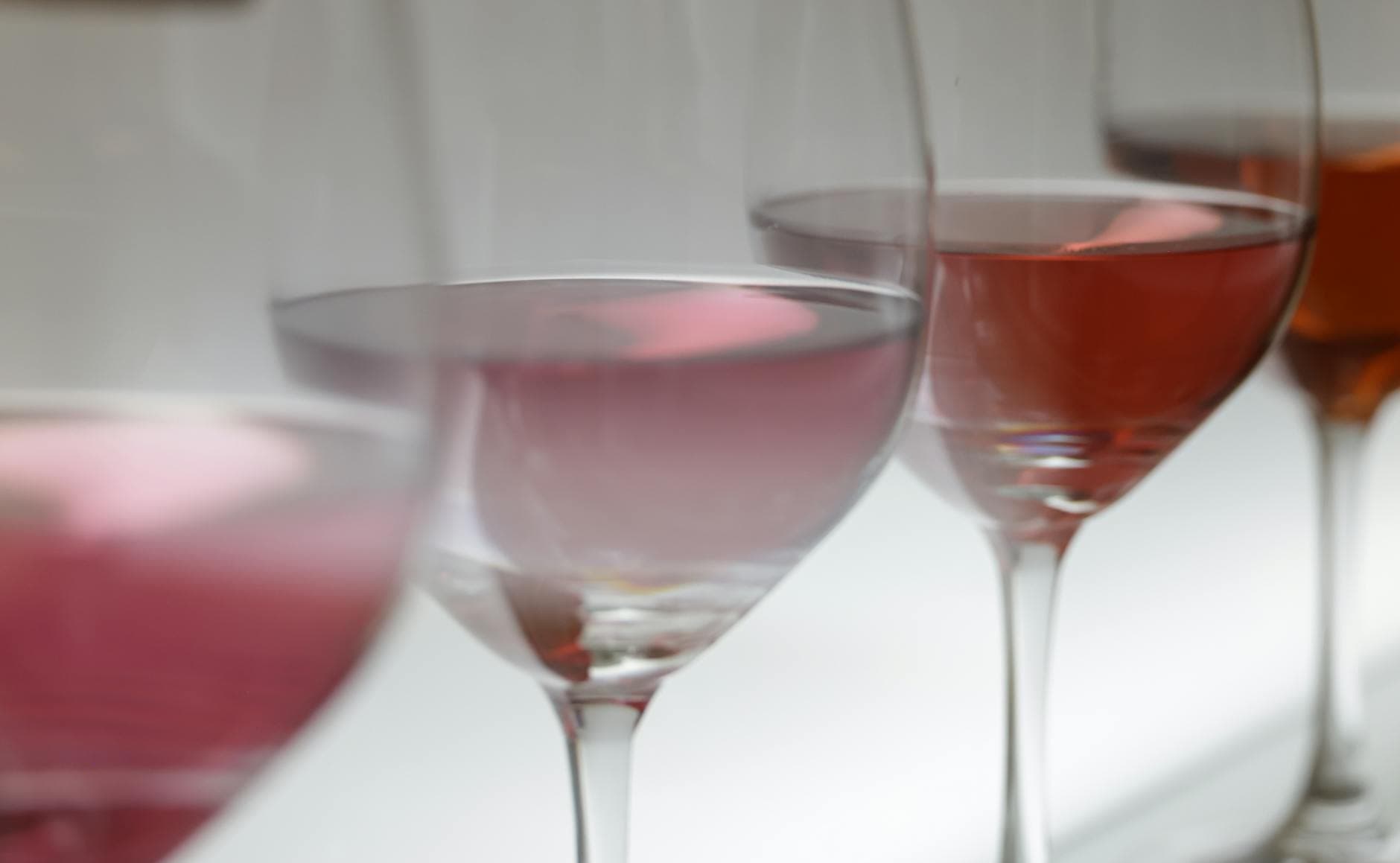
Orange wine is white wine made like red wine. Instead of pressing the grapes immediately and discarding the skins, the juice is left in contact with the skins for days, weeks, or months. The skins leach color, tannin, and texture into the wine. Turning it amber, copper, or orange. The result is a white wine with the structure of a light red and flavors that go places white wine rarely goes: dried apricot, bruised orange, chamomile, beeswax, walnut shell.
This is not a new invention. Georgia has been making wine in clay amphorae with extended skin contact for eight thousand years. It is the oldest method of winemaking on record. Calling it a trend is like calling grilling a trend. It was here before we were.
The actual verdict
Natural wine is worth exploring with two conditions. One: find producers who take quality as seriously as they take philosophy. The belief that the wine should taste like it came from somewhere is not incompatible with the belief that the wine should taste good. Two: approach it with a palate that is calibrated for something different, not something inferior.
These wines are not trying to be the same as conventionally made wine. They are trying to be something else. When they succeed, they succeed in a way that is genuinely irreplaceable. When they fail, the failure is obvious and you should move on without guilt.
Build a cellar with mostly wines you understand and a row of things that challenge you. That row is where the natural bottles belong. You will open half of them too early, not understand a third of them, and find two or three that make you rethink something. That ratio is exactly right.
Whether you collect conventional, natural, or both. A Bijou cellar is built to store every bottle properly and show it off. Let us design the space around your collection.
Book Consultation