Napa vs Sonoma: Which Wine Region Should You Visit?
Two valleys, thirty minutes apart, completely different philosophies about what wine country is supposed to feel like.

Napa is best for luxury tasting experiences, world-class Cabernet Sauvignon, and polished estate visits — expect $50-100 tasting fees and reservations required. Sonoma is better for relaxed exploration, diverse varietals (Pinot Noir, Zinfandel, Chardonnay), lower prices, and walk-in-friendly tasting rooms. Both are worth visiting. First-timers should start with Napa for the spectacle, then Sonoma for the soul.
The question everyone asks
Napa or Sonoma. It is the first question anyone asks when they are planning a California wine trip, and the answer I give always disappoints people because it is not simple. They are thirty minutes apart on a map and a world apart in philosophy. Napa is the tailored suit. Sonoma is the broken-in leather jacket. Both look great. They just say different things about the person wearing them.
I have been to both more times than I can count — for work, for research, for the kind of weekend where you rent a car and see what happens. Here is the honest breakdown, no diplomacy, no tourism-board talking points. Just what I have learned by drinking in both valleys.
Napa — the case for polish
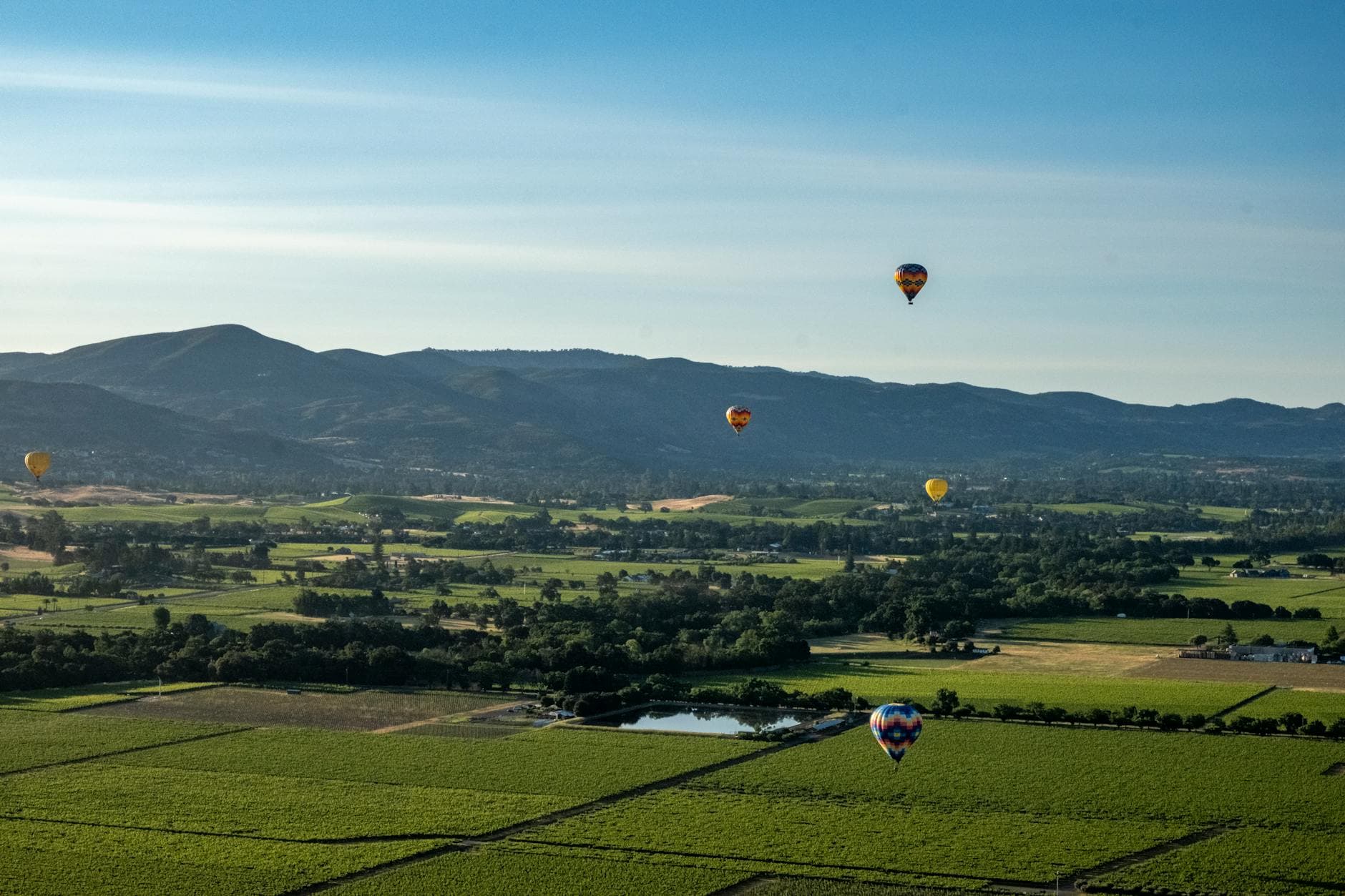
Napa Valley is 30 miles long and one to five miles wide, hemmed in by the Mayacamas to the west and the Vaca Mountains to the east. That narrow geography is what makes it special — the fog rolls in from San Pablo Bay, the valley floor bakes in the afternoon, and the mountains create microclimates that change every half mile. This is Cabernet Sauvignon country. Always has been, probably always will be.
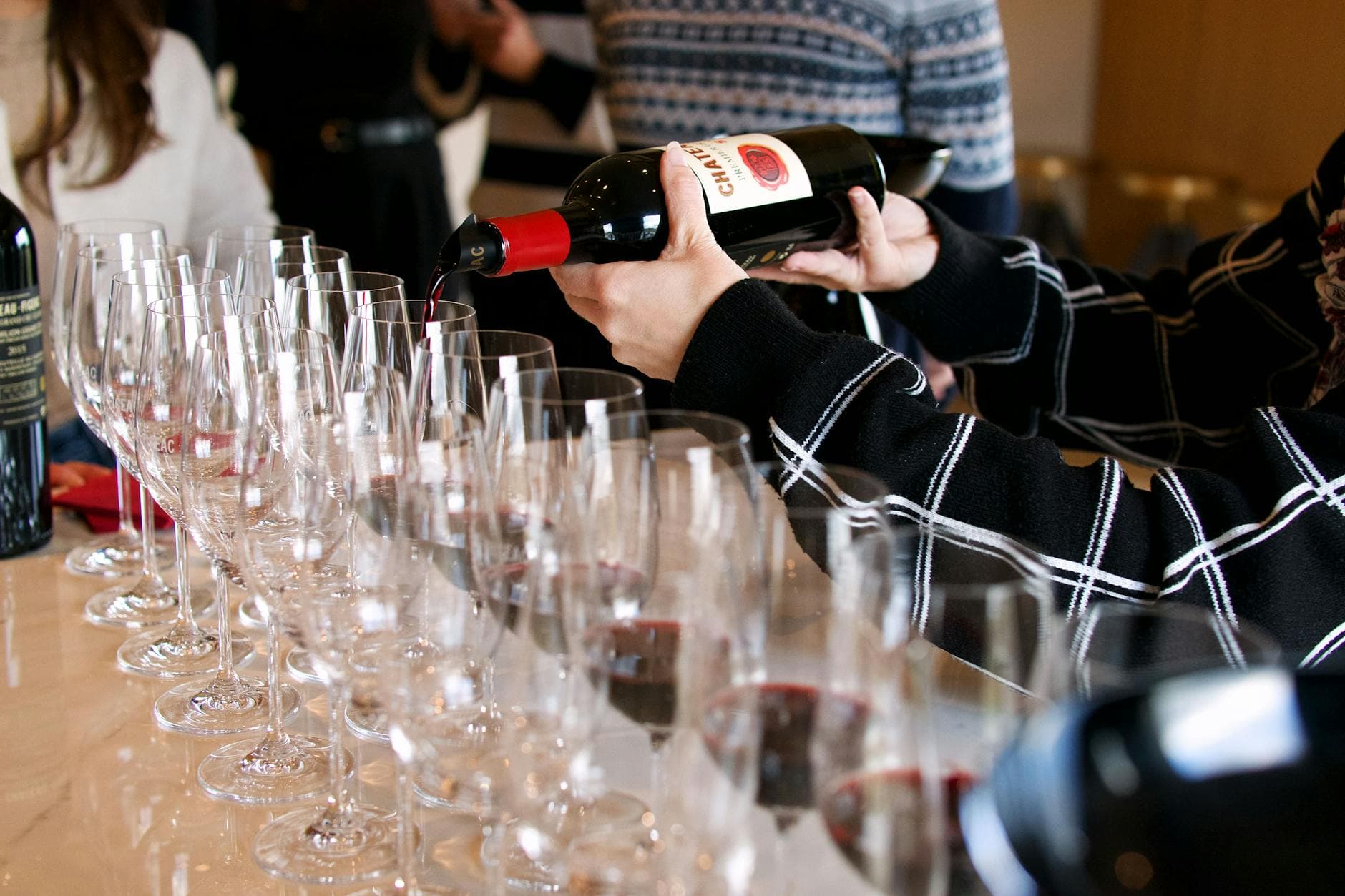
The tasting experience in Napa is curated. Most serious estates require reservations — Opus One, Caymus, Stag's Leap, Dominus, Harlan. You are not walking in off the road. Tasting fees run $50-100 and sometimes higher for library or reserve flights. What you get for that money is a guided experience — a host who knows the vineyard block your wine came from, a seated tasting with food pairings, and an hour where every detail has been considered.
The wines justify the price. Napa Cabernet at its best — Oakville, Rutherford, Stags Leap District, Howell Mountain — is some of the most structured, age-worthy wine in the world. These are bottles that evolve for 20-30 years. If you are building a serious cellar, Napa Cab is the backbone. Period.
Where to go in Napa
- Opus One — The cathedral of Napa Cabernet. $100+ tasting. Worth it once for the architecture and the wine.
- Stag's Leap Wine Cellars — The 1976 Judgment of Paris winner. History in a glass. Book the estate tasting.
- Chateau Montelena — The white-wine winner of the same 1976 competition. The Chardonnay is world-class, the estate is stunning.
- Caymus — Single-vineyard Cab that defined Napa for a generation. The Special Selection is the one to try.
- Frog's Leap — Organic, dry-farmed, and more affordable than most Napa. The Sauvignon Blanc is a sleeper.
- Duckhorn — Merlot that rewrites the grape's reputation. The tasting garden is one of the prettiest in the valley.
Sonoma — the case for soul
Sonoma County is massive — nearly three times the size of Napa, stretching from the Pacific coast inland through Russian River Valley, Dry Creek, Alexander Valley, and a dozen other AVAs. The geography is more varied, the climate zones are more extreme, and the result is a diversity of grape varietals that Napa simply cannot match.
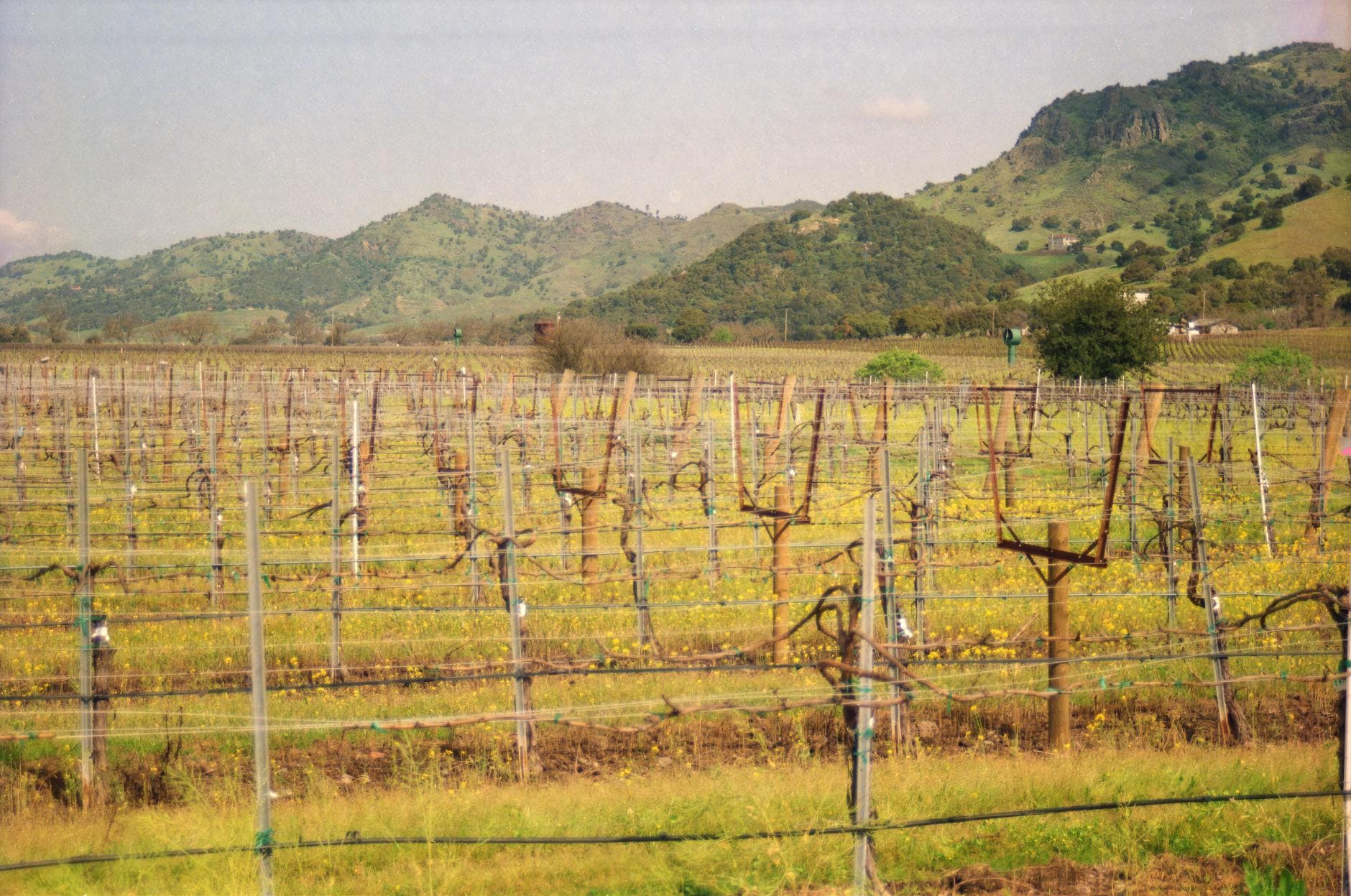
Russian River Valley Pinot Noir. Dry Creek Zinfandel. Sonoma Coast Chardonnay. Alexander Valley Cabernet. Each of these is world-class in its own right, and none of them tastes like the others. Sonoma rewards the curious drinker — the person who wants to taste something they have never had rather than confirm something they already know.
The vibe is different too. Tasting rooms in Sonoma are more likely to be walk-in friendly. Fees are lower — $25-40 on average, sometimes waived with a purchase. You might taste with the winemaker's daughter. The dog might wander through. Nobody is wearing a blazer. This is not a criticism of Napa — it is a different philosophy. Sonoma believes wine should feel like a family dinner, not a gallery opening.
Where to go in Sonoma
- Williams Selyem — The Pinot Noir that launched Russian River Valley. Allocation only, but the tasting room is open and extraordinary.
- Ridge Vineyards (Lytton Springs) — Monte Bello is the flagship, but the Lytton Springs Zinfandel is the soul of Dry Creek.
- Flowers Vineyards — Extreme Sonoma Coast, 1,800 feet above the Pacific. The Pinot Noir tastes like the ocean fog that grows it.
- Jordan Vineyard — The estate experience done perfectly. French-inspired Cabernet and the best winery tour in Sonoma.
- Iron Horse Vineyards — Sparkling wine that has been served at six White House state dinners. The hilltop tasting room has the best view in wine country.
- Dutton-Goldfield — Small-production, single-vineyard Pinot and Chardonnay. The kind of winery you find through a sommelier, not a billboard.
The real differences
Price
Napa is more expensive across the board. Hotels, tastings, dinner, bottles — plan on 30-50% more than Sonoma. A day in Napa with three tastings, lunch, and a bottle to take home can run $400-600 per couple. The same day in Sonoma is $200-350. Neither is cheap. Wine country is not a budget trip. But Sonoma stretches the dollar further.
Food
Both valleys eat well, but differently. Napa has the Michelin-starred spots — The French Laundry, SingleThread (technically Healdsburg but claimed by Napa people), Press, Bottega. Sonoma has Valette, Barndiva, the girl & the fig, and a farm-to-table scene that feels less like a performance and more like someone really good is cooking for you. Both are outstanding. Napa is dinner-as-event. Sonoma is dinner-as-pleasure.
Crowds
Napa gets 3.5 million visitors a year. Sonoma gets about the same acreage with a fraction of the foot traffic. If you go to Napa on a Saturday in October, you will share the road with tour buses. Sonoma on the same day feels like you have the place to yourself. Weekdays in either valley are better. Always.
Which one is for you
If this is your first wine trip, go to Napa. Seriously. I know the wine-internet loves to tell you Sonoma is the insider choice, and they are not wrong, but Napa earned its reputation for a reason. The wines are extraordinary, the estates are beautiful, and the experience is dialed in. You should see it.
If you have been to Napa and you want something different — more relaxed, more varied, more surprising — Sonoma will change how you think about California wine. Russian River Valley alone is worth the trip.
If you have a full week, do both. Start in Napa for two days — hit the big names, eat at Press or Bottega, buy a case of Cab you will cellar for ten years. Then drive over the Mayacamas into Sonoma for three days. Slow down. Find the winemakers nobody told you about. Buy the Pinot Noir you drank standing in a barn while the owner's dog leaned against your leg.
Practical notes
- Fly into SFO or OAK. Napa is 90 minutes north. Sonoma is 60-75 minutes.
- Rent a car. There is no useful public transit between wineries.
- Book Napa tastings 2-4 weeks ahead. Sonoma you can often walk in, but calling ahead never hurts.
- Best months: September-October for harvest energy, March-April for green hills and no crowds.
- Designate a driver or hire one. DUI checkpoints are real and the wines are strong.
- Ship your wine home. Every winery offers it. Do not try to check a case on the plane.
The rivalry between Napa and Sonoma is real, but it is friendly. The winemakers drink each other's wine. The sommeliers pour from both valleys. The only people who think you have to choose are the ones who have not been to both. Go to both. Your cellar will thank you.
Napa Cab on the left wall, Sonoma Pinot on the right. We design custom wine cellars that organize your collection the way your palate works.
Book Consultation