Bordeaux Is Intimidating on Purpose. Here Is the Map.
Left Bank, Right Bank, Médoc, Pomerol, Graves — the system makes sense once someone explains it. Nobody explains it.

Bordeaux is split by the Gironde estuary into Left Bank (Cabernet Sauvignon dominant — Médoc, Pauillac, St-Julien, Margaux, Pessac-Léognan) and Right Bank (Merlot dominant — St-Émilion, Pomerol, Fronsac). Left Bank wines are firmer and need more age. Right Bank wines are rounder and more approachable young. The famous 1855 Classification ranks Left Bank châteaux from Premier Cru to Cinquième Cru. Pomerol has no official classification — Pétrus sits atop anyway.
Why Bordeaux scares people
Bordeaux has 7,000 producers. The classification system has five tiers and was last updated in 1855. The appellations have appellations inside them. The wines are expensive at the top and confusing everywhere else. The region has spent 300 years accumulating prestige and approximately zero effort making itself approachable.
None of that is a reason to avoid it. Bordeaux is the foundation of the wine world — the template that California, Australia, and Chile all used when they set out to make serious red wine. Cabernet Sauvignon, Merlot, Cabernet Franc, Petit Verdot, Malbec — the Bordeaux blending palette is the lingua franca of red wine. Understanding it even superficially makes every other red wine make more sense.
The river and the map
Everything in Bordeaux starts with water. The Gironde estuary runs through the middle of the region, fed by two rivers — the Garonne from the south and the Dordogne from the northeast. The land to the left of the Gironde is the Left Bank. The land to the right is the Right Bank. Same region, very different wines.
Left Bank soils are gravel — poor, well-drained, and warm. Cabernet Sauvignon loves it. The wines are structured, tannic, and built to age. They are not approachable young and are not trying to be. Left Bank is where you find Pauillac, St-Julien, Margaux, and Pessac-Léognan — the four most famous appellations in Bordeaux. Pauillac alone contains three of the five Premier Crus: Latour, Lafite-Rothschild, and Mouton-Rothschild.
Right Bank soils are clay and limestone — cooler and heavier. Merlot dominates. The wines are rounder, softer, and often more accessible in their youth. St-Émilion and Pomerol are the names to know. Pomerol is the home of Pétrus — the most expensive wine in Bordeaux, a wine that does not appear in any classification because when Pomerol was drawn up, Pomerol was not included. Pétrus sits above the system by refusing to participate in it.
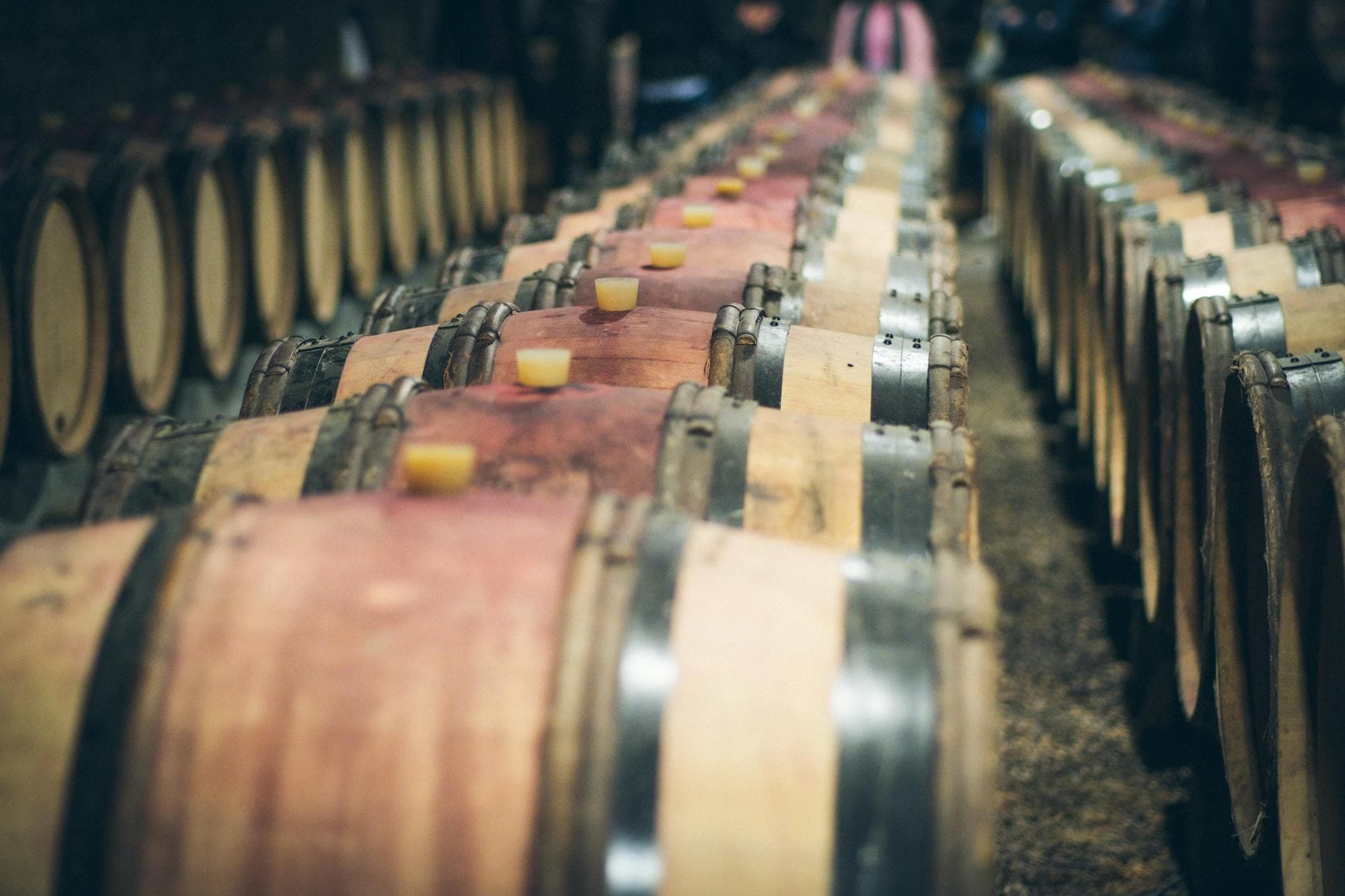
The 1855 classification
In 1855, Napoleon III ordered a classification of Bordeaux wines for the Paris World Exhibition. Négociants ranked the top châteaux of the Médoc by price into five tiers — Premier Cru through Cinquième Cru. Sixty-one properties made the list.
That list has changed exactly once. In 1973, Mouton-Rothschild was elevated from Deuxième to Premier Cru — the only reclassification in 170 years. Everything else has stayed exactly where it was in 1855, which is either a testament to the original rankings or a sign of how much power the established estates have over their own valuation.
For collectors: the five Premier Crus are Lafite-Rothschild, Latour, Margaux, Mouton-Rothschild (Left Bank), and Haut-Brion (Pessac-Léognan). They start at $500 a bottle and climb from there. But some of the best quality-to-price value in Bordeaux comes from the Crus Bourgeois — the estates just below the classification, making serious wines at $25-60 that most people have never heard of.
What to actually buy
If you are building a cellar and want Bordeaux representation without the classified growth price tags: look at Crus Bourgeois from the Médoc (Château Poujeaux, Château Phélan-Ségur), the satellite appellations of St-Émilion (Lussac, Montagne, Puisseguin), and the Pessac-Léognan whites — classified Bordeaux Blanc from Sauvignon Blanc and Sémillon that most people forget exists and that ages beautifully.
The best entry-level introduction to Bordeaux style: any Médoc or Haut-Médoc appellation wine from a producer you recognize. Château Lynch-Bages makes a second wine called Echo de Lynch-Bages at around $40 that drinks like a classified growth at a fraction of the price. Château Léoville-Barton is a Deuxième Cru that still prices like it is 1980. These are the doors in.

Going there
Bordeaux city is large, elegant, and underrated as a food destination. The Chartrons district is where the wine merchants live — the streets are lined with négociant offices that have been trading wine for 300 years. Stay there. Walk to dinner. Eat oysters from Arcachon Bay with a glass of Entre-Deux-Mers white.
Then drive out to the Médoc — the peninsula is forty-five minutes north of the city and the route is called the Route des Châteaux for good reason. You drive past estate after estate, many of them open for visits. Book Léoville-Barton, Lynch-Bages, and Pichon-Baron in advance. Show up with questions. These places are proud of what they do and they want you to understand it.
Aged Bordeaux needs a climate-controlled cellar. If you are building a collection worth drinking in 20 years, let's talk about where it lives.
Book Consultation